Written by Patrice Berry, Savannah Bradley, and Sam James
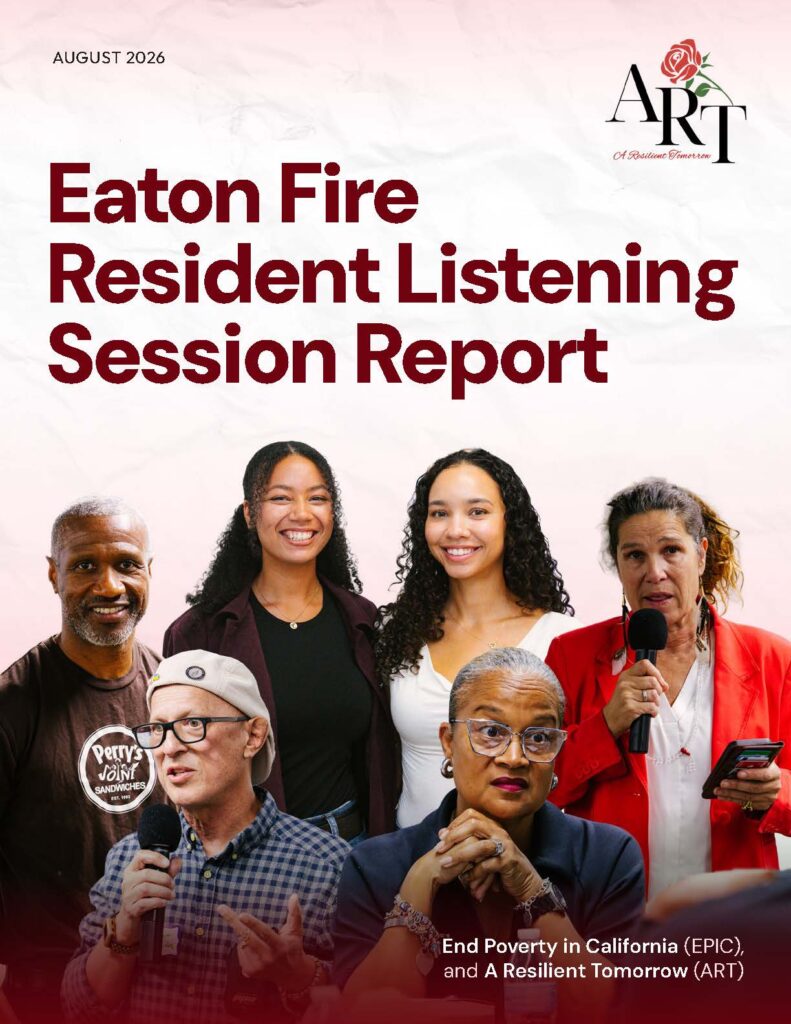
Download the full report here.
Executive Summary
On January 7, 2025, the Eaton Fire tore through Altadena, California, destroying over 9,000 structures and killing 19 people. Eighteen of those deaths occurred in West Altadena, one of the most historically significant Black middle-class communities in Southern California. Before the fire, 74 percent of Black Altadena residents were homeowners, more than double the national average, a legacy built over generations in a region where redlining had blocked Black families from most other neighborhoods. The fire did not just destroy homes. It threatened to complete what redlining started.
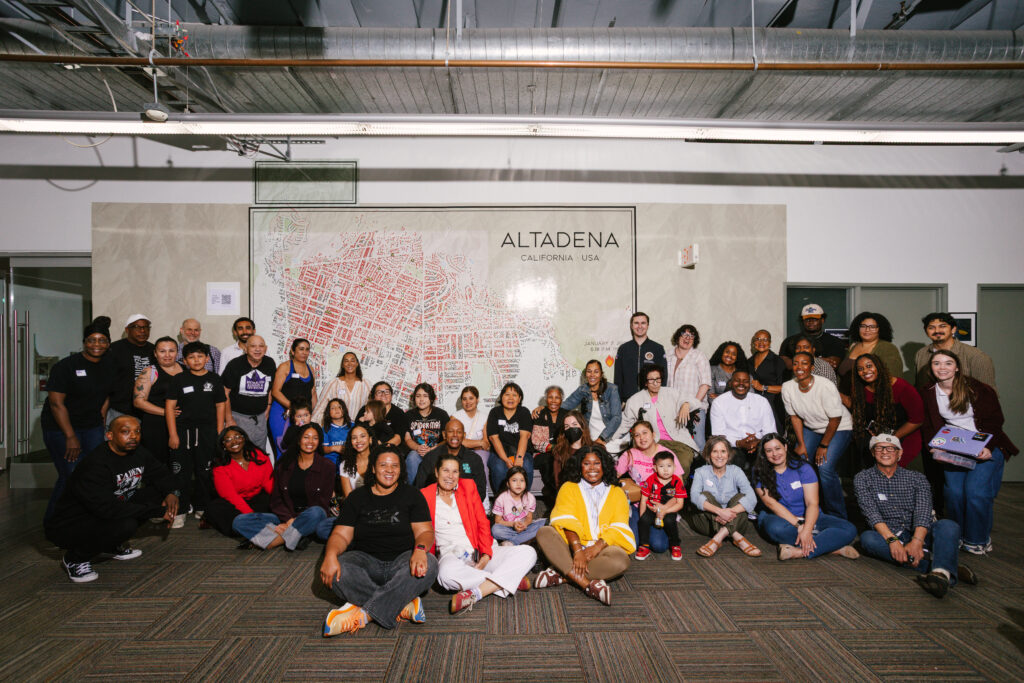
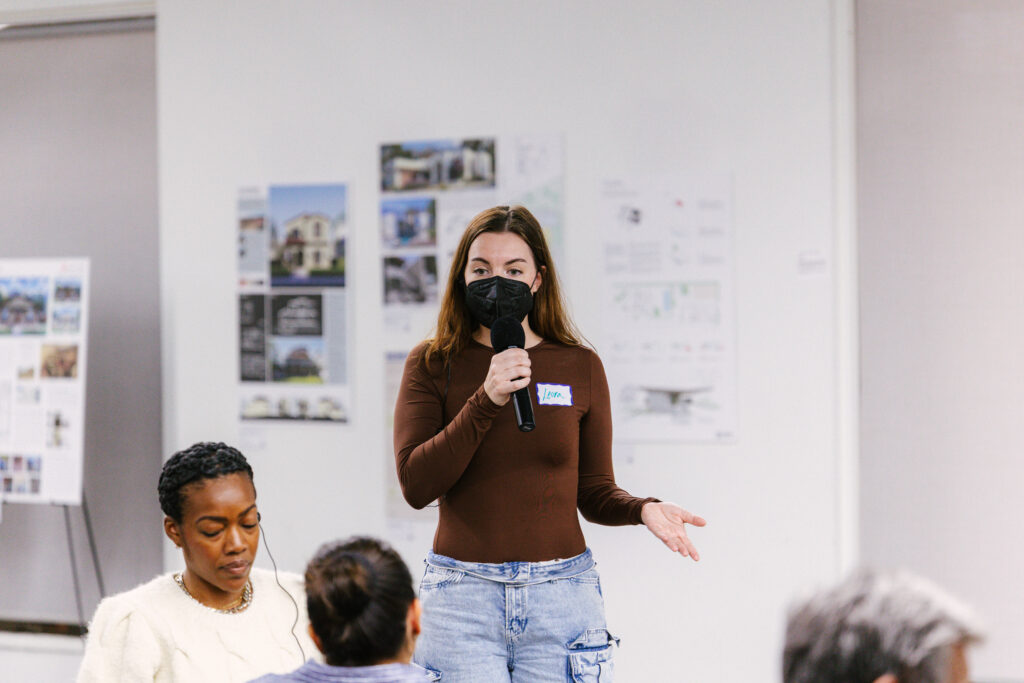
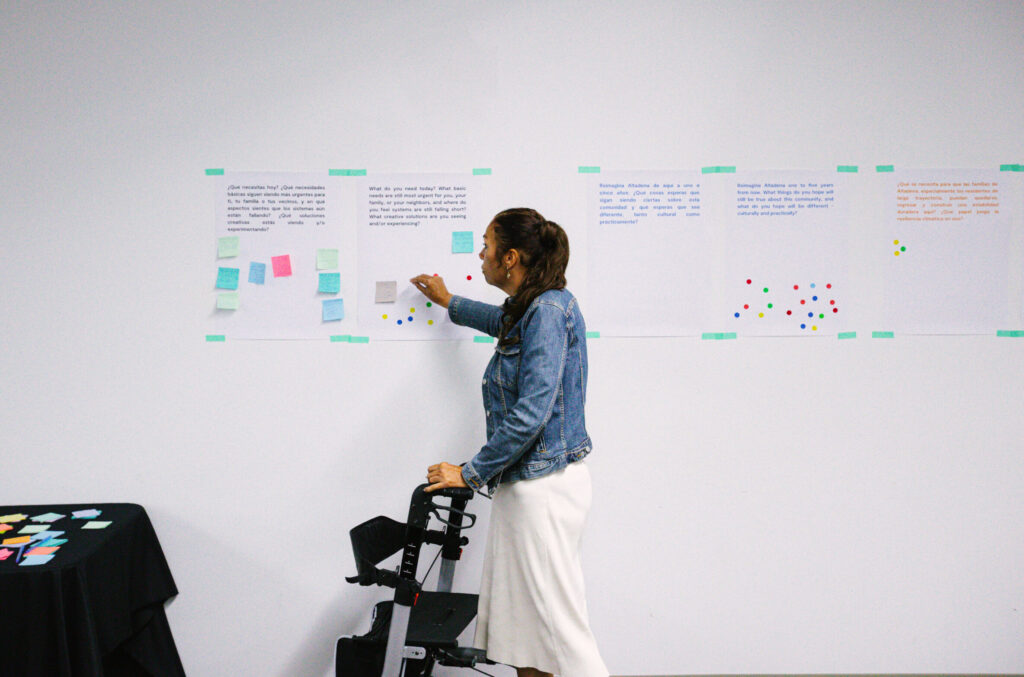
On April 11, 2026, fifteen months after the fire, EPIC, ART, and the Eaton Fire Collaborative hosted a community listening session with 53 Altadena residents, who convened at six facilitated tables, including two conducted entirely in Spanish. Participants included homeowners and renters, longtime residents and community leaders, Black, Latino, and working-class Altadenans who are at the center of the fire’s impact and at the margins of the recovery.
The Problem
Altadena’s recovery is failing the people who most need it, and the reasons are not incidental but rooted in structural challenges that have remained unaddressed and escalating for decades.

Rebuild costs have escalated from $295 per square foot at the time of the fire to $600 to $1,000 per square foot today. The gap between what insurance pays and what rebuilding costs is commonly $200,000 to $350,000. The median net loss among survivors is $200,000, exceeding most households’ annual income. One in five households earning under $100,000 has had to forgo food. Additional Living Expense (ALE) coverage, which funds temporary housing during rebuilding, is expiring for thousands of families, while the rebuild timeline stretches five to ten years. Six nonprofits are providing bridge gap financing, each serving 10 to 100 households. But with 6,900 impacted homes this has not been enough to satisfy the need.
The California FAIR Plan, the state-backed insurer of last resort that many residents relied on after private insurers left the market, rarely covered remediation costs for homes damaged but not destroyed. Over 93 percent of FAIR Plan policyholders reported negative claim experiences. Six in ten remediated homes remain uninhabitable due to lead and asbestos levels. More than one in three residents who believe their properties are contaminated have been unable to access testing.
These failures do not fall equally on all residents and former residents. Sixty-one percent of Black households in Altadena were within the fire perimeter, compared with 50 percent of non-Black households. Forty-eight percent of Black households were destroyed or sustained major damage. Long-term renters have lost affordable units that will not return. Elders cannot wait a decade to rebuild.
Undocumented residents are locked out of relief programs entirely. Investors have purchased two-thirds of single-family homes sold with severe fire damage, signaling the threat that historical residents are quickly losing an opportunity to rebuild everything they lost.
What the Community Is Asking For
Residents were direct about what recovery actually requires. The community’s core demands, stated across all tables, are:
- Financial recovery at scale. Bridge gap financing must be funded publicly and at a scale that matches 6,900 impacted homes, not hundreds. Grants and subsidies are preferred over loans, which add debt to devastation. Direct cash assistance must include renters, undocumented families, and households whose needs extend beyond food.
- Anti-displacement protections. Rent control must survive the rebuild. A community land trust model is already being developed through the Altadena Earthseed Community Land Trust. Investor purchasing of fire-damaged lots must be regulated. Estate planning and legal resources must reach elders before more properties are lost.
- Infrastructure accountability. SCE and water companies must be held accountable through legislative mandates that make non-compliance more expensive than compliance. Undergrounding and grid-hardening costs must not be passed to individual homeowners. Home hardening must be made affordable through income-scaled subsidies, not imposed as an unfunded mandate.
- A fixed FAIR Plan. Remediation coverage must be automatically extended to non-destroyed properties. Claim processes must be simplified. The plan must work for the communities it was created to serve.
- Environmental remediation. Soil testing and contamination remediation must precede and run concurrently with rebuild permitting. AB 1642, which would establish statewide protocols for wildfire debris testing and cleanup, should be enacted.
- Transparent and equitable communication. Resources must be distributed equitably between the Palisades and Altadena, and that distribution must be publicly reported. Information must reach seniors, Spanish-speaking residents, and the unhoused through trusted community institutions, not just digital channels.
Why This Matters Beyond Altadena
Altadena is not an exception. Between 2020 and 2024, there were 115 billion-dollar disasters across the United States. Urban conflagrations are accelerating. The communities most exposed to climate disasters are the same communities that have been most systematically excluded from the wealth and infrastructure that would allow them to absorb those shocks. The policy failures visible in Altadena, including inadequate insurance, deferred infrastructure maintenance, an underresourced safety net, and a disaster recovery system that does not reach the most vulnerable, are the policy failures that will repeat in every fire-affected community in California. We believe that what the legislature does for Altadena, it does for all of them, and all the disaster-impacted communities across the country, for whom California’s policies can establish a precedent.